

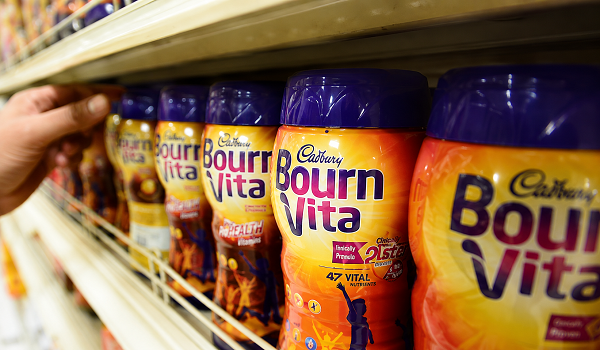
Mondelez India Foods, maker of Bournvita and Cadbury products, has withdrawn certain health and nutrient-comparison claims flagged by the Food Safety and Standards Authority of India (FSSAI), amid increased regulatory scrutiny of food advertising and labelling.
According to a report by The Hindu, Mondelez has removed the disputed claims from Bournvita communications and taken down related advertisements from e-commerce platforms.
The action is part of a broader FSSAI drive against misleading advertisements, unsupported health and nutrition claims, and non-compliant labelling practices across the food and beverage industry.
The regulator has reportedly issued more than 150 notices to food companies, including Nestlé India, PepsiCo, Coca-Cola India, Abbott India, Red Bull India, Danone India, Monster Energy India, Ferrero India and Kenvue.
Bournvita has previously faced scrutiny over its nutritional positioning, particularly following criticism in 2023 over its sugar content and marketing claims aimed at children.
The latest action highlights the need for food companies to ensure that health, nutrition and comparative claims are supported by appropriate evidence and do not create misleading impressions among consumers. The issue is no longer limited to product formulations or packaging, as claims made through advertisements, websites, e-commerce listings and other digital channels are also coming under closer scrutiny.
The enforcement follows an FSSAI advisory issued in May 2025 asking food businesses to discontinue the use of the term “100%” on food labels, packaging and promotional material. The regulator said such terminology could imply absolute purity or superiority and potentially mislead consumers.
Amway India subsequently removed “100%” from its “100% Pure Coconut Oil” packaging and promotional material and dropped the “Energy Drink” descriptor from its caffeinated XS range.
Kerala-based Juza Foods has also agreed to withdraw claims such as “boost immunity” and “support stronger bones,” along with comparative calcium claims, from its baby-food products.
FSSAI’s enforcement is also extending beyond packaged-food labels. The regulator has reportedly issued 12 notices to e-commerce companies and more than 30 notices to food-service establishments, including major restaurant chains.
The widening scrutiny reflects the growing role of digital channels in food marketing, where product claims can appear across marketplaces, brand websites, social media and other promotional platforms.
For the food industry, the latest enforcement drive sends a clear message: claims related to health, nutrition, purity and product superiority must be backed by evidence and remain compliant across every consumer touchpoint.
As regulatory scrutiny increases, companies will need to look beyond withdrawing individual claims and strengthen their processes for reviewing advertising, packaging and digital communication before they reach consumers.