

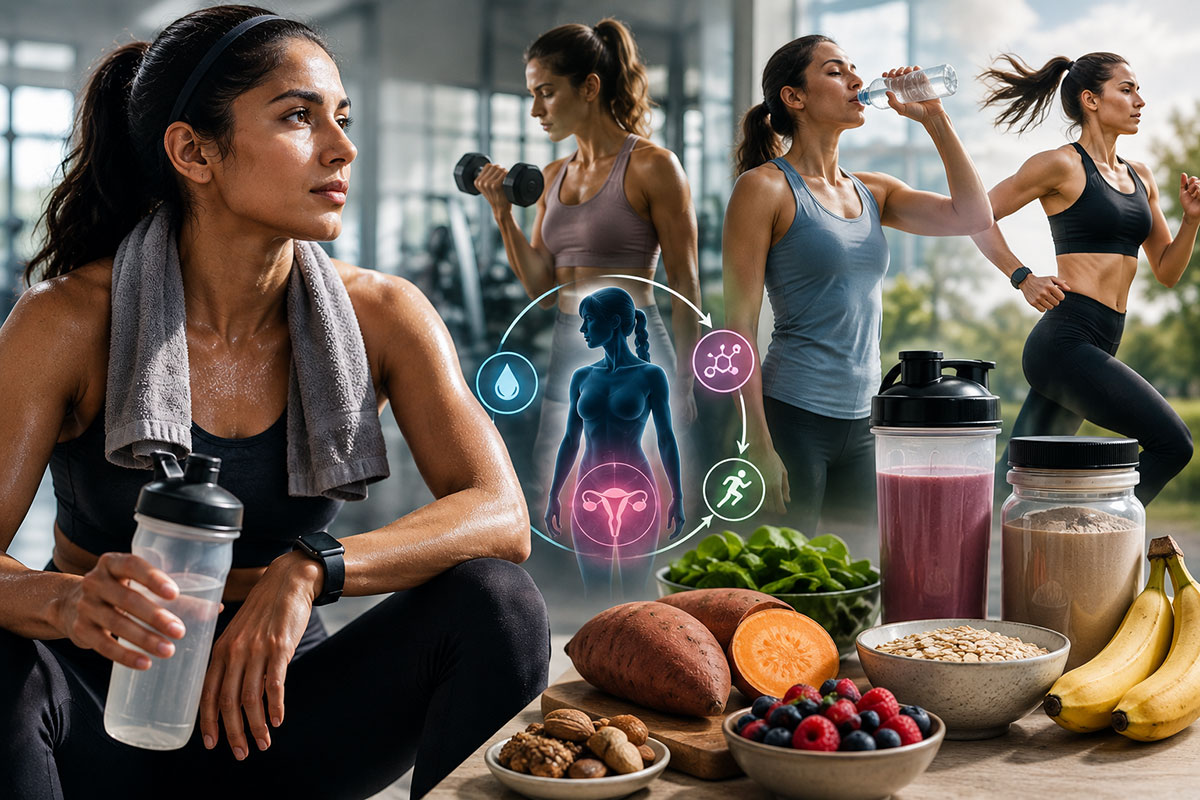
PepsiCo is urging the sports nutrition industry to address what it describes as a significant gap in research and product development for women athletes, calling for science-backed nutritional solutions that better account for hormonal health, hydration needs and body image concerns.
Speaking at the Growth Asia Summit 2026 in Singapore, Teena Badshah, Associate Principal Scientist at PepsiCo Life Sciences, said women remain underserved in sports nutrition despite growing female participation in competitive and recreational sports. She cited data from the Gatorade Sports Science Institute showing that only around 6% of global sports science research focuses specifically on women.
According to Badshah, one of the biggest blind spots is the impact of hormonal changes and menstrual cycles on hydration and nutritional requirements. Women experience approximately 480 menstrual cycles over nearly four decades, yet sports nutrition recommendations rarely consider how fluctuations in hormones such as oestrogen and progesterone may influence hydration, thirst perception and recovery.
She noted that while there is currently no evidence supporting different diets for different phases of the menstrual cycle, nutrition and hydration strategies can still be personalised to better reflect individual physiological differences.
Hydration remains a critical concern. Women generally have a lower percentage of body water than men, and hormonal changes during the menstrual cycle may reduce thirst perception, increasing the likelihood of beginning exercise in a dehydrated state. The challenge is even greater for “high sodium sweaters”—athletes who lose larger amounts of sodium through perspiration and face an elevated risk of headaches, muscle cramps and nausea if those losses are not adequately replaced.
Beyond hydration, PepsiCo highlighted chronic low energy availability as another major issue affecting female athletes. According to research presented at the summit, nearly 47% of women athletes consume insufficient energy to support normal physiological functions after exercise, largely due to concerns about carbohydrate intake and body image.
Badshah said many female athletes continue to avoid carbohydrates because of fears of weight gain, despite carbohydrates playing an essential role in maintaining endurance, cognitive performance and recovery during training and competition.
She pointed to endurance athletes as an example, noting that while existing guidelines recommend consuming between six and ten grams of carbohydrates per kilogram of body weight daily, research shows many athletes consume only the minimum recommended levels—or less—even during periods of intensive training and competition.
PepsiCo believes practical nutritional strategies could help bridge the gap. Suggestions include increasing carbohydrate intake through liquid nutrition or incorporating naturally carbohydrate-rich foods such as potatoes, corn and peas into regular meals. The company also stressed the continued importance of guidance from qualified sports dietitians and nutrition professionals.
The company further called for greater openness around menstrual health in sports, arguing that cultural stigma continues to discourage athletes from discussing symptoms that could influence performance and recovery.
Data from the Gatorade Sports Science Institute underscores the scale of the challenge. The research found that 43% of female athletes begin workouts underhydrated, half consume no carbohydrates during training sessions and only one in five adequately replaces sodium lost through exercise.
As interest in personalized nutrition continues to grow, PepsiCo believes the sports nutrition industry has an opportunity to develop products and evidence-based recommendations that more effectively meet the unique physiological needs of women athletes, helping improve both performance and long-term health outcomes.