

Synopsis:
India’s food delivery market is entering a new phase where frequency matters more than flashy discounts. Swiggy, Zomato, Rebel Foods and emerging players are redesigning pricing, meal formats and customer strategies to win the country’s most valuable consumer—the daily office-goer willing to spend around ₹200 per meal.
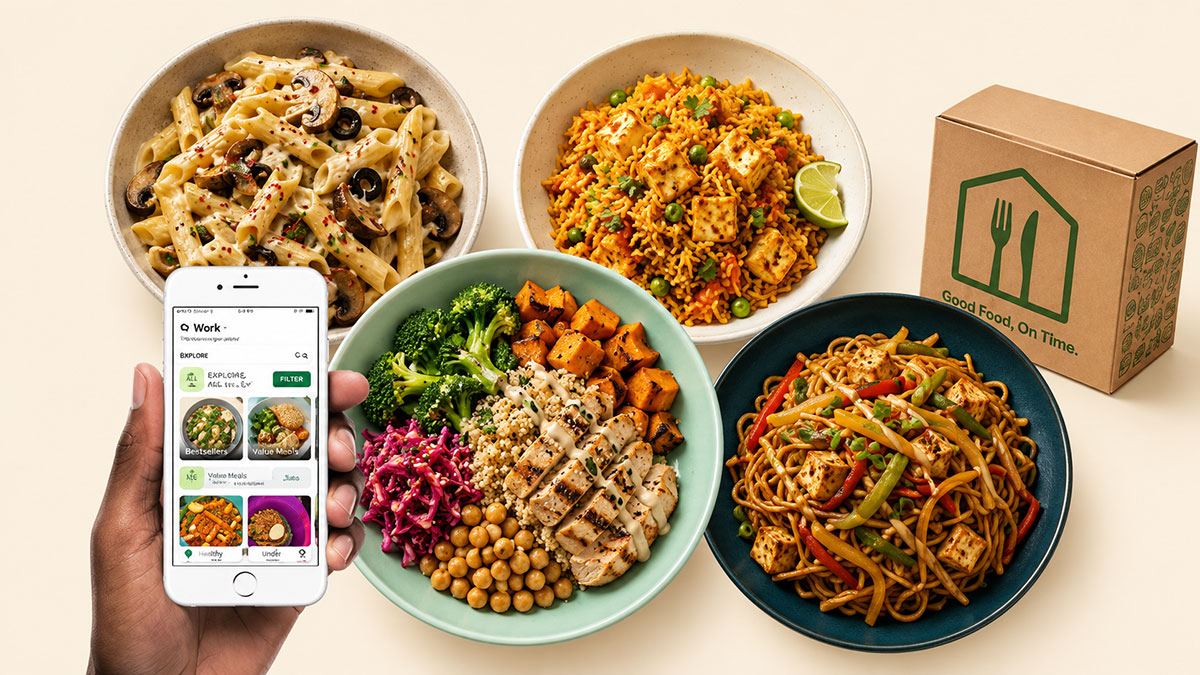
India’s online food delivery industry is entering a new phase where the focus is no longer on acquiring new users but on becoming the preferred platform for everyday meals. At the heart of this shift is the ₹200 lunch—a price point that companies believe can encourage millions of office-goers and budget-conscious consumers to order food regularly rather than occasionally.
Leading players including Swiggy, Zomato, Rapido-backed Ownly, Rebel Foods and Curefoods are adopting different strategies to capture this growing market. While some are concentrating on affordability through value meals and discounts, others believe convenience, dining occasions and menu variety will play a bigger role in driving long-term customer loyalty.
Industry experts note that the goal is to increase order frequency rather than maximise the value of a customer’s first purchase. According to Satish Meena, Founder of Datum Intelligence, platforms are trying to make ordering lunch a daily habit instead of a weekend indulgence. To achieve this, companies are working to keep the total order value—including delivery and platform charges—within the ₹200-250 range, making online delivery competitive with neighbourhood eateries and office cafeterias.
Swiggy has emerged as one of the most aggressive players in this segment. It has expanded its Value Store offerings within the main app while continuing to experiment with budget-focused initiatives such as Toing. The company believes future growth will come from higher order frequency and wider adoption rather than larger ticket sizes, even though some earlier experiments like Snacc were discontinued.
Zomato, owned by Eternal, has adopted a more measured approach. Rather than launching a separate low-cost platform, it continues to drive demand through targeted discounts while maintaining a consistent platform fee structure. Its Bistro initiative also remains in the early stages of development.
New entrant Ownly is challenging the industry’s traditional business model through a commission-free marketplace where restaurants retain greater pricing control and customers pay separately for delivery. The company believes this improves transparency and creates a more sustainable ecosystem for restaurant partners.
Meanwhile, cloud kitchen operators Rebel Foods and Curefoods are expanding their multi-brand portfolios to serve different dining occasions and price points. Rebel Foods believes consumer choices are influenced as much by convenience, mood and occasion as by price, while Curefoods caters to varied preferences across cuisines throughout the day.
The broader outlook for the sector remains strong. India’s online food delivery market is projected to grow from about $9.1 billion in 2024 to nearly $27 billion by 2030. As competition intensifies, the platform that consistently delivers quality, convenience and value around the ₹200 price point is likely to shape the next chapter of India’s food delivery industry.