

As protein moves from the fitness aisle into mainstream Indian consumption, food and FMCG companies are changing not just what they sell, but how much they sell at a time.
Brands are increasingly introducing smaller, lower-priced formats of protein-rich products—from breakfast smoothies and wafers to bars and everyday snacks—in an effort to reduce the upfront cost for consumers and bring protein into more daily diets.
The strategy reflects a broader shift in India’s nutrition market. While protein products have traditionally been associated with supplements and premium health foods, companies are now looking to make protein a more accessible part of everyday consumption. Smaller packs allow consumers to experiment with products without committing to a higher-priced, larger pack.
The trend is also extending beyond products specifically marketed as protein foods. Companies are packaging naturally protein-rich foods in smaller, more affordable portions, combining familiar formats with a stronger nutritional proposition.
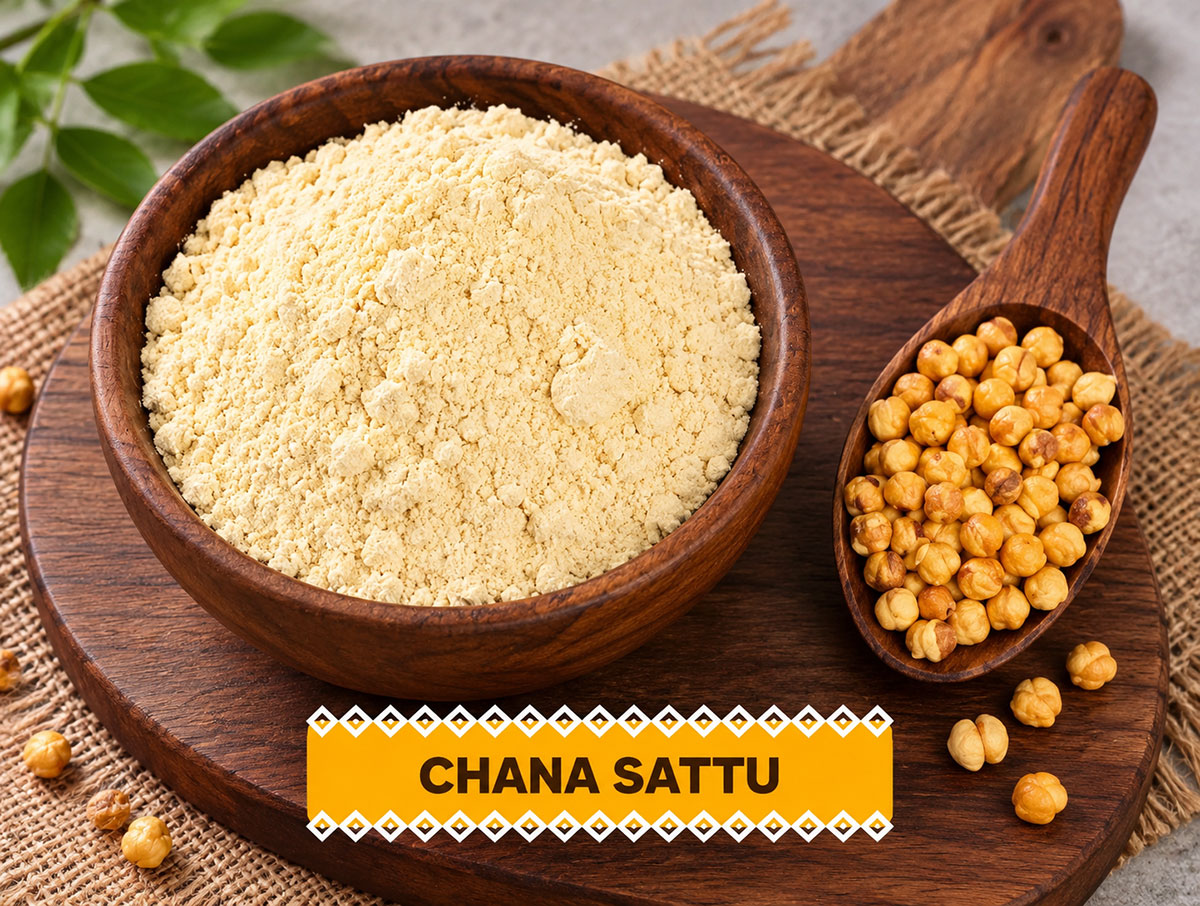
One example is ITC’s launch of chana sattu in eastern India, with packs starting at Rs 10 and delivering 10 grams of protein per pack. The product also taps into established regional consumption habits, suggesting that affordability and familiarity could be as important as protein content in driving adoption.
For FMCG companies, the opportunity lies in turning protein from an occasional purchase into a mass-market consumption habit. Smaller packs can lower the entry barrier, particularly for consumers who may be interested in increasing their protein intake but remain sensitive to price.
The approach also fits India’s evolving snacking landscape, where convenience, portion sizes and affordability increasingly influence food choices. By putting protein into accessible formats and price points, brands are effectively attempting to make nutrition less of a premium proposition and more of an everyday purchase.
The result could be a new battleground for the food industry: not simply who can offer the most protein, but who can make it easiest and cheapest for consumers to add protein to their daily routine.