

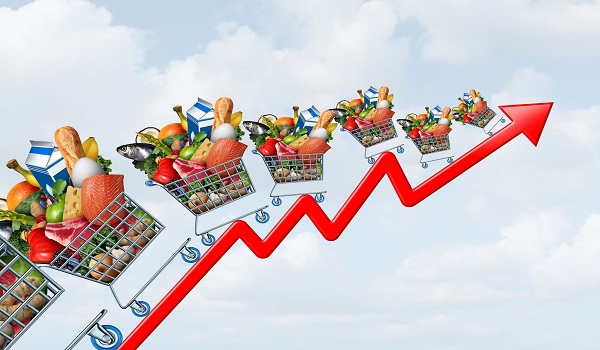
Global food prices recorded a modest increase in March, largely driven by rising energy costs linked to the ongoing Iran–Israel conflict, according to the Food and Agriculture Organization (FAO).
The FAO Food Price Index, which tracks changes in a basket of globally traded food commodities, averaged 128.5 points during the month—up 2.4% from its revised February level.
Despite the uptick, the increase remained moderate. FAO Chief Economist Máximo Torero noted that the rise in prices has been primarily fuelled by higher oil prices, while ample global cereal supplies have helped cushion sharper spikes.
The conflict-driven surge in energy costs has raised concerns about its broader impact on agriculture, particularly through higher input costs such as fuel and fertilisers. According to the FAO, if the conflict persists beyond 40 days, farmers may begin to cut back on input usage, reduce planting, or shift to less resource-intensive crops.
Such changes could potentially lower agricultural yields, tightening global food supplies and exerting upward pressure on prices through the remainder of 2026 and into 2027.
The FAO’s assessment highlights the fragile balance in global food markets, where geopolitical developments and energy price volatility continue to influence production costs and price stability worldwide.