

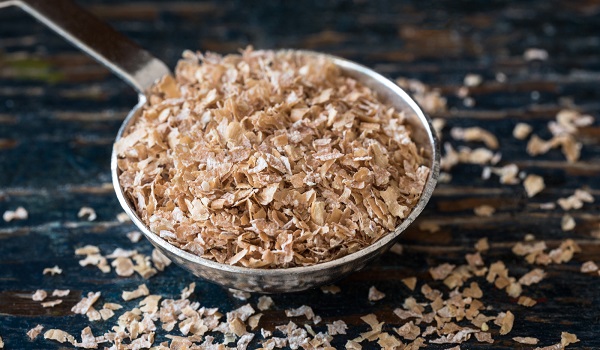
Wheat bran, long treated as a low-value byproduct of flour milling, may soon find a new role in India’s food processing industry as a functional ingredient, following fresh global research showing its potential to deliver both nutrition and texture in modern food formulations.
Traditionally separated during flour production and largely used as animal feed, wheat bran is rich in dietary fibre, protein and bioactive compounds. However, its use in human food applications has remained limited due to coarse texture and poor functionality. New research highlighted by the KTH Royal Institute of Technology suggests that wheat bran can be converted into a plant-based gel by combining functional fibre with wheat protein, creating a stable structure suitable for a wide range of food products.
Scientists say the development could allow wheat bran to move beyond fortification and become an active structuring ingredient in foods such as plant-based meat, dairy alternatives, functional beverages and high-fibre snacks. The fibre-protein network formed during the process improves consistency and mouthfeel, two of the biggest challenges in plant-based product development.
For India, the findings could have major industrial implications. The country produces large quantities of wheat bran every year, but much of it remains underutilized. Researchers from institutions including the University of Delhi and Jain University have previously demonstrated that fermentation and bioprocessing can enhance the antioxidant activity, bioavailability and functional properties of wheat bran, making it more suitable for food applications.
Most domestic efforts so far have focused on adding bran to bakery products and snacks to increase fibre content. Industry experts say the new gel-based approach points to a larger shift, where wheat bran could be used to improve texture, stability and nutritional value simultaneously.
The development also aligns with the growing demand for clean-label, plant-based and cost-effective ingredients. Unlike many plant protein innovations that rely on imported isolates, wheat bran is locally available and could offer a more economical option for Indian manufacturers.
Experts note that wider adoption will depend on industry-academia collaboration, pilot-scale trials and consumer acceptance, as wheat bran is still widely perceived as a low-value or animal-feed ingredient. However, with increasing focus on sustainability and upcycling of agricultural byproducts, converting wheat bran into high-value functional ingredients could support both cost efficiency and circular food production.
Industry observers believe that if commercialized successfully, wheat bran could become one of the most important indigenous functional ingredients for India’s evolving packaged food and plant-based product market.