

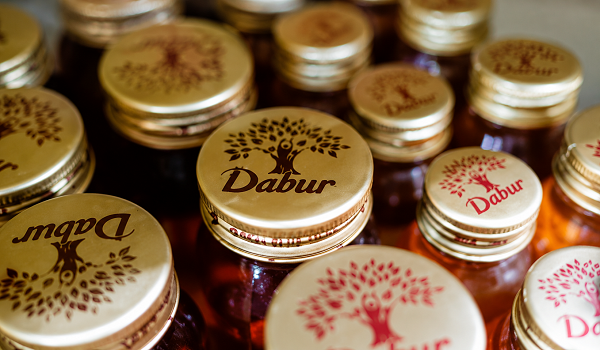
The Delhi High Court has stayed an order by the Food Safety and Standards Authority of India (FSSAI) directing Dabur India Ltd. to stop selling several food products carrying claims such as “100% Pure,” “100% Natural,” “100% Organic” and “100% Purity Guaranteed.”
The interim relief allows Dabur to continue selling the affected products while the court examines the legality of the FSSAI action.
Justice Amit Mahajan observed that Dabur had made out a prima facie case and noted that the company had been marketing the products for decades. The court also questioned the decision to issue the prohibitory order without first giving Dabur an opportunity to present its case.
“The court is prima facie of the opinion that the prohibitory order ought not to have been passed without giving an opportunity of hearing. Till the next date of hearing, the impugned order is stayed,” the court said.
Notices have been issued to the Centre, FSSAI and other respondents, and the matter has been listed for further hearing after two weeks.
The dispute follows an FSSAI order issued on August 3 directing Dabur to discontinue the sale of several products carrying “100%” claims, which the regulator said could potentially mislead consumers.
The products covered by the order include Dabur Honey, Dabur Honey Squeezy, Dabur Sunderbans Honey, Dabur Organic Honey, Dabur Virgin Coconut Oil, Dabur Cow Ghee, Dabur Himalayan Apple Cider Vinegar, Dabur Hommade Coconut Milk and Real Activ 100% Tender Coconut Water.
FSSAI’s concern centres on whether claims suggesting absolute purity or naturalness comply with existing food advertising and labelling regulations.
Dabur challenged the order on both procedural and legal grounds. The company argued that FSSAI acted without issuing a prior show-cause notice or giving it an opportunity to respond. It said the Food Safety and Standards (Advertising and Claims) Regulations, 2018 require regulators to seek clarification from food businesses before taking such action.
The company also argued that the FSSAI order did not clearly explain how expressions such as “100% Pure” and “100% Natural” violated the applicable regulations. According to Dabur, the order stated that the claims appeared to be misleading without providing detailed findings to support the conclusion.
Dabur further maintained that the dispute relates to labelling and advertising claims and that FSSAI had not alleged that the affected products were unsafe, adulterated or sub-standard.
The company told the court that the order could have significant commercial consequences, including the need to recall or relabel products already available in the market. Dabur also alleged that communication of the order to distributors and online marketplaces had disrupted its business operations.
The case is part of a wider debate over the use of terms such as “100%,” “pure” and “natural” on packaged food labels in India. Several food companies have recently questioned regulatory action concerning advertising and labelling claims.
The High Court’s interim stay does not decide the final merits of the dispute. However, the eventual ruling could have wider implications for food manufacturers using purity, naturalness and similar claims on packaged food products in India.